Find your kind of wild.
Curious shapes, beautiful foliage and plants with a story. Find something that suits your home and makes you stop for another look.

Small nursery. Curious plants. Cork.
Interesting cultivars of relatively easy-care houseplants, propagated and grown here in Cork. We're building our collection one cutting, one new leaf and one discovery at a time. Come grow with us.

Good plants. Good company.
Your first plant. Your fiftieth. That tiny new leaf you need to tell someone about.
Wild Plants is a small nursery taking root in Cork, with a particular love for interesting cultivars of familiar, approachable houseplants. Beautiful markings, unexpected colours and leaves worth a second look.
Right now, we’re choosing mother plants, taking cuttings and learning what helps them thrive. The collection is growing gradually, with time to observe, experiment and get to know each plant.
We want to share that learning too: where plants come from, what they need and the small discoveries that make growing them so rewarding. Curiosity is plenty.
Curious shapes, beautiful foliage and plants with a story. Find something that suits your home and makes you stop for another look.
Where does it grow in the wild? What does that tell us about caring for it? A little understanding goes a long way.
Questions, small victories and the occasional mystery leaf. A welcoming place to talk plants, wherever you are on your growing journey.
Small beginnings. Local roots.
From a cutting to somebody’s new favourite plant.
Wild Roots is at the heart of Wild Plants: our locally propagated and grown collection. We’re developing mother stock and growing small batches, giving each new plant time to establish.
Our focus is distinctive cultivars of relatively easy-care houseplants. Local growing should feel approachable, with practical advice and clear information about each plant’s origins.
We’re also experimenting with growing materials and thoughtful ways to use space, energy and packaging. We’ll share what we learn, along with the roots, new leaves and occasional growing lesson.
On the growing bench
A first look at plants we’re propagating and growing. These are collection previews, not plants currently offered for sale.
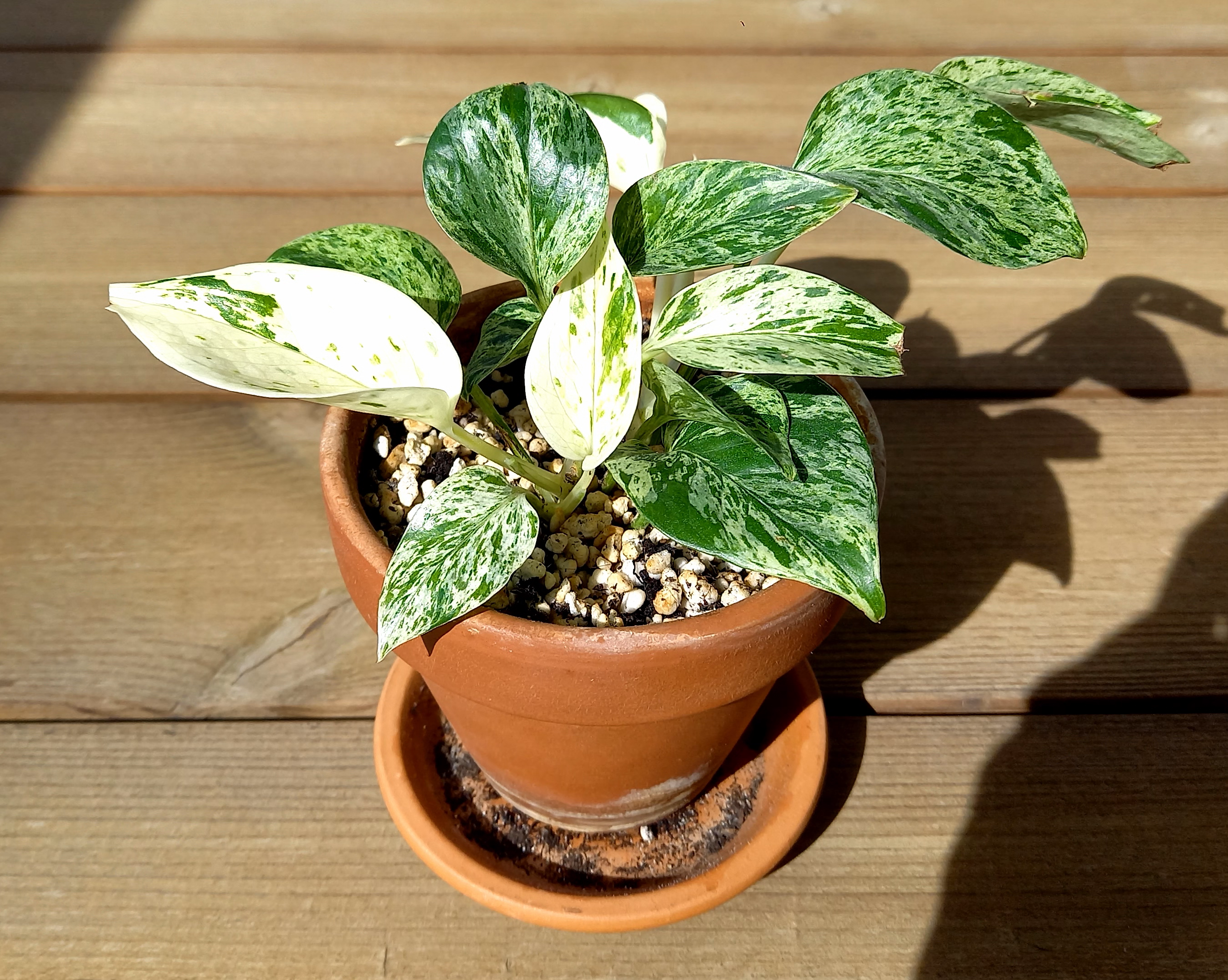 In development · Availability to be confirmed
Cream-and-green marbling, with a different pattern on every leaf.
Explore the care guide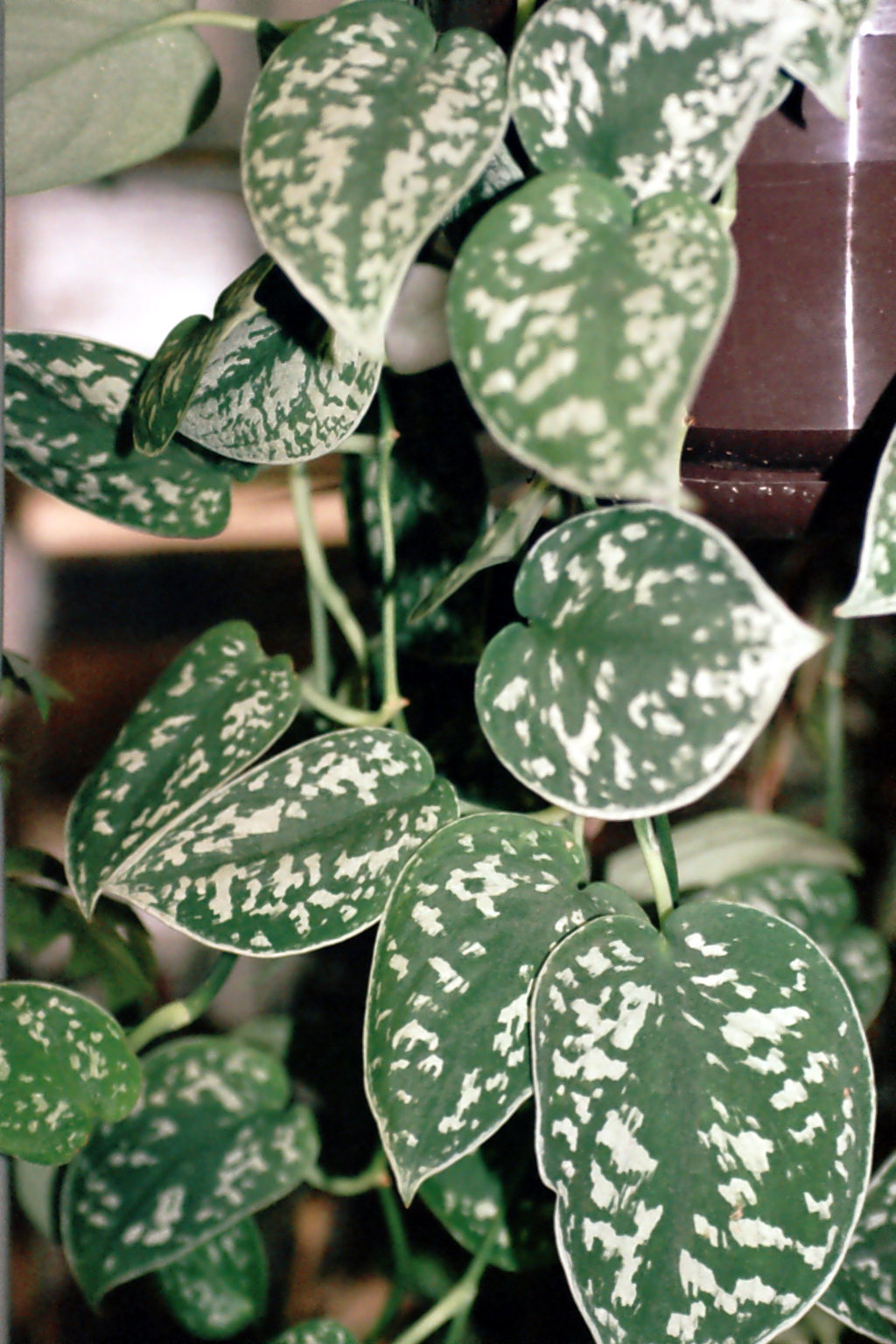 In development · Availability to be confirmed
Soft-looking green leaves scattered with silver.
Explore the care guide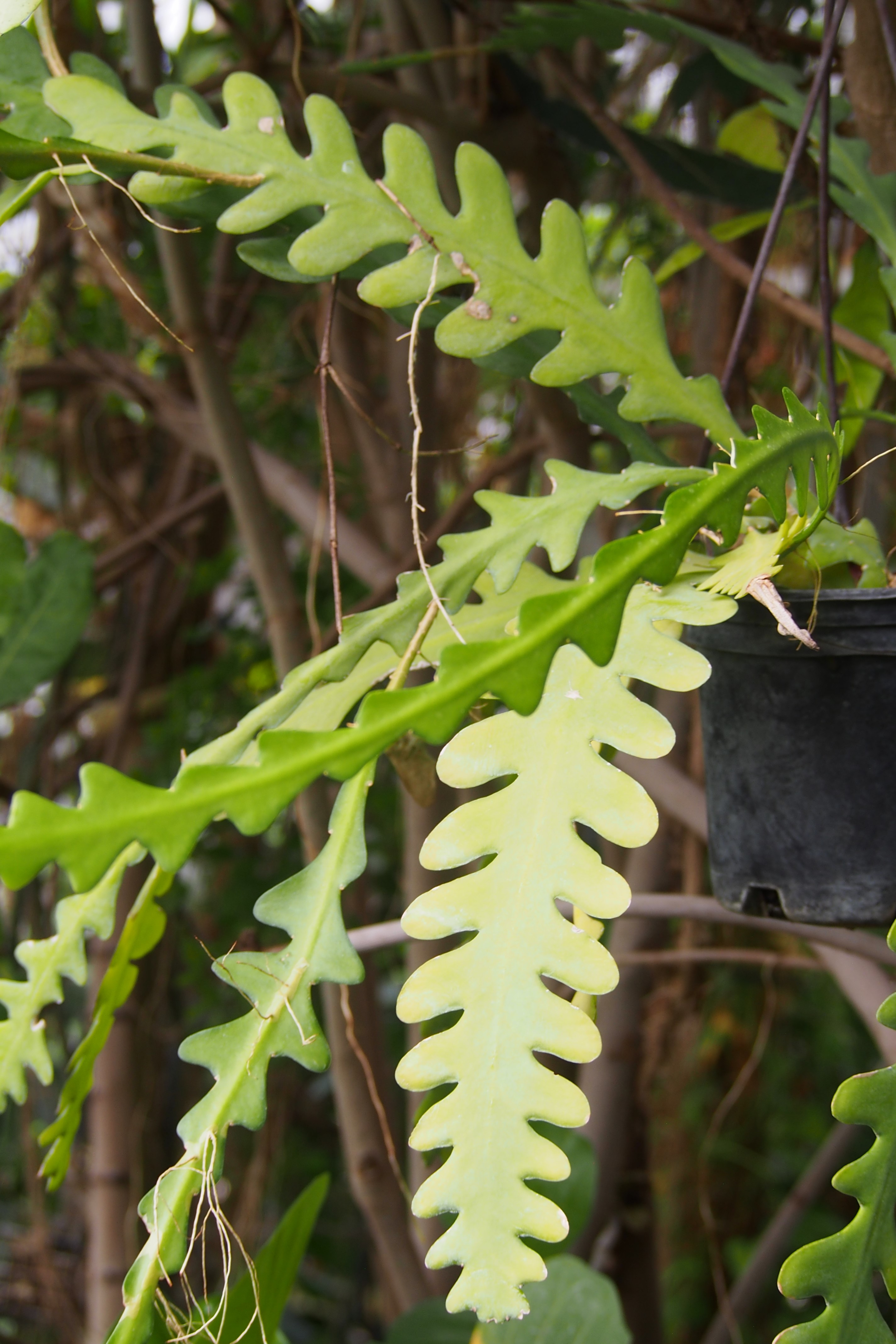 In development · Availability to be confirmed
Playful zigzag stems from a cactus with forest roots.
Explore the care guideReference photographs show the plants’ appearance, not our individual nursery stock. Photo credits are included in each care guide. Batch photographs and availability will follow as the collection develops.
Discover the biomes
Explore seven habitat-inspired worlds. A plant’s surroundings offer clues to its care, wherever in the world it comes from.
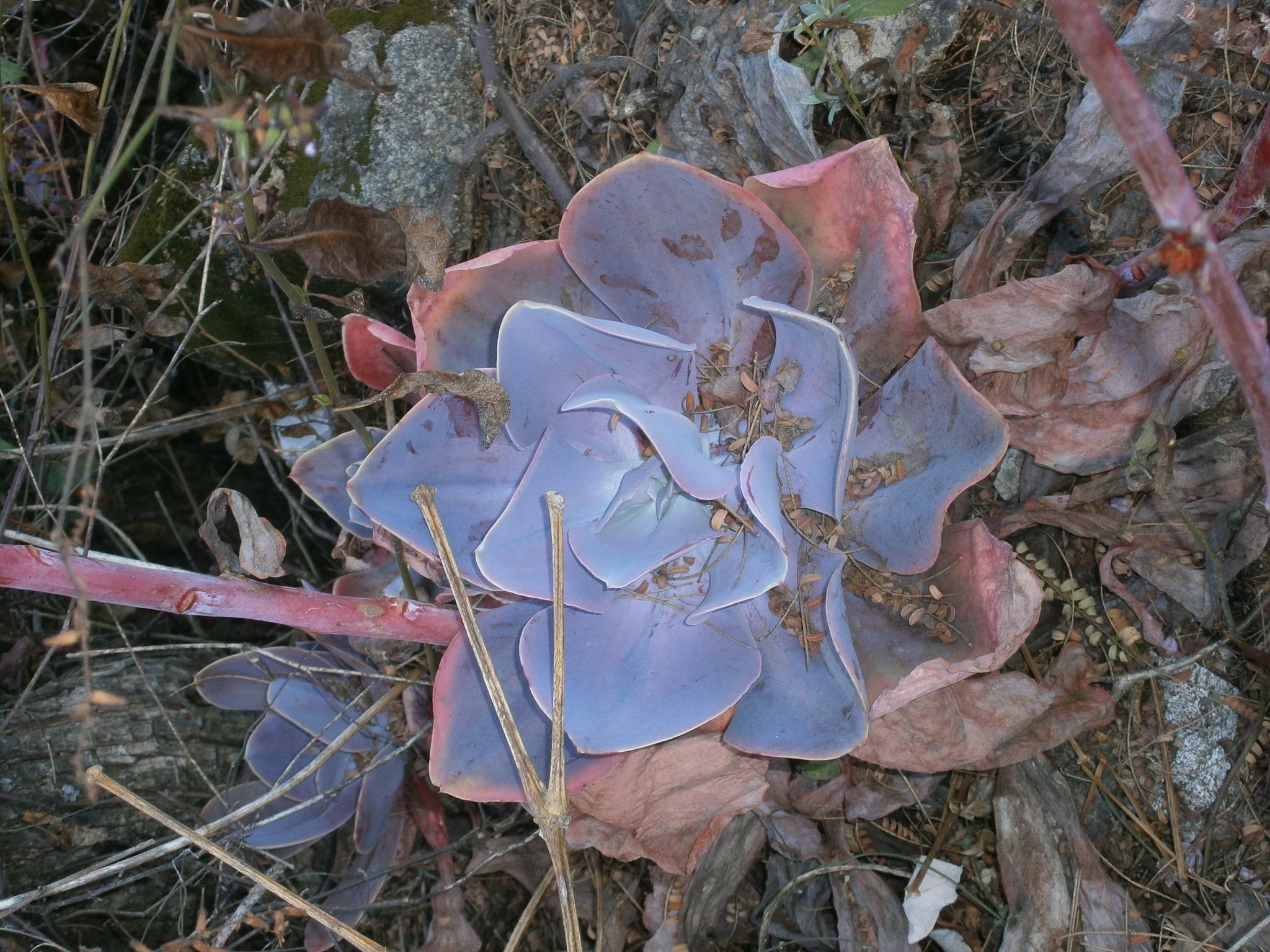
High-elevation habitats with intense light, cooler temperatures, exposed conditions and fast-draining rocky soils. Plants here are often adapted to strong sun, wind, temperature swings and periods of dryness.
Think bright, rocky and exposed. Many species benefit from strong light, excellent drainage and noticeable drying between waterings. Check individual temperature needs.

Arid and semi-arid habitats where rainfall is infrequent or strongly seasonal. Plants here are adapted to intense light, dry air, rapid drainage and long periods with very little water.
Think sun, drought and sudden pulses of rain. Water-storing leaves and stems need excellent drainage; let the growing medium dry thoroughly between waterings, according to the species.
Warm, humid tropical forests where plants climb trees and other supports to reach brighter light above the forest floor. Many begin life in shade and become more vigorous as they climb, using aerial roots or twining stems for support.
Think vertical rainforest. Bright indirect light, suitable climbing support and an airy growing medium help many species thrive.
The shaded lower layers of tropical forests, beneath the main canopy. Plants here are adapted to warm temperatures, filtered light, humid air and relatively stable conditions throughout the year.
Think warm, shaded and sheltered. Filtered light and consistent moisture suit many species, with good airflow and no waterlogged compost.
Plants that naturally grow on tree trunks, branches or other elevated surfaces rather than rooted deeply in soil. Many are epiphytes, using trees for support while taking moisture and nutrients from rain, humid air and organic debris.
Think air around the roots. Fast drainage and wet-dry cycles matter; a forest cactus does not live like a desert cactus.

Cool to mild forests with filtered light, sheltered conditions and seasonal changes. Plants in this group often grow beneath tree canopies, on forest floors, rocky slopes or mossy banks, where light is softened and moisture is available without the roots sitting constantly wet.
Think sheltered woodland. Gentle light, cooler conditions, good airflow and consistent moisture are useful starting points. Individual species vary.
Windswept coastal headlands and dunes with free-draining sandy or rocky soil, strong sun, salt-laden air and little shelter. Plants are tough and drought-tolerant, with small, leathery, silvery or succulent leaves that cope with wind, salt and dry spells.
Think bright, gritty and free-draining. Let the compost dry well between waterings, provide good airflow and protect from frost. Coastal origin is not a reason to add salt indoors.
Our biomes are a way to explore the collection. Always check your plant’s own care guide for specific advice.
Get to know your plant
Choose a guide to explore your plant’s background and everyday care.
Care guide / 01Care guide / 02Care guide / 03Our care library is growing. Guides are not a live stock list.
Follow the growing journey
We’re growing the collection at its own pace. Follow along for propagation experiments, new leaves and a closer look at the plants taking root here in Cork.
When plants are ready for new homes, we’ll share availability and how to buy. There’s no fixed launch date, and this website is not currently a shop.
Further down the line, we’d love to help people understand and care for struggling plants. Diagnosis and rehabilitation are ideas we’re exploring, not services currently available.
